2026-11-11 · Luis Hernandez
How Newark Homeowners Can Handle Burst Pipes During Winter
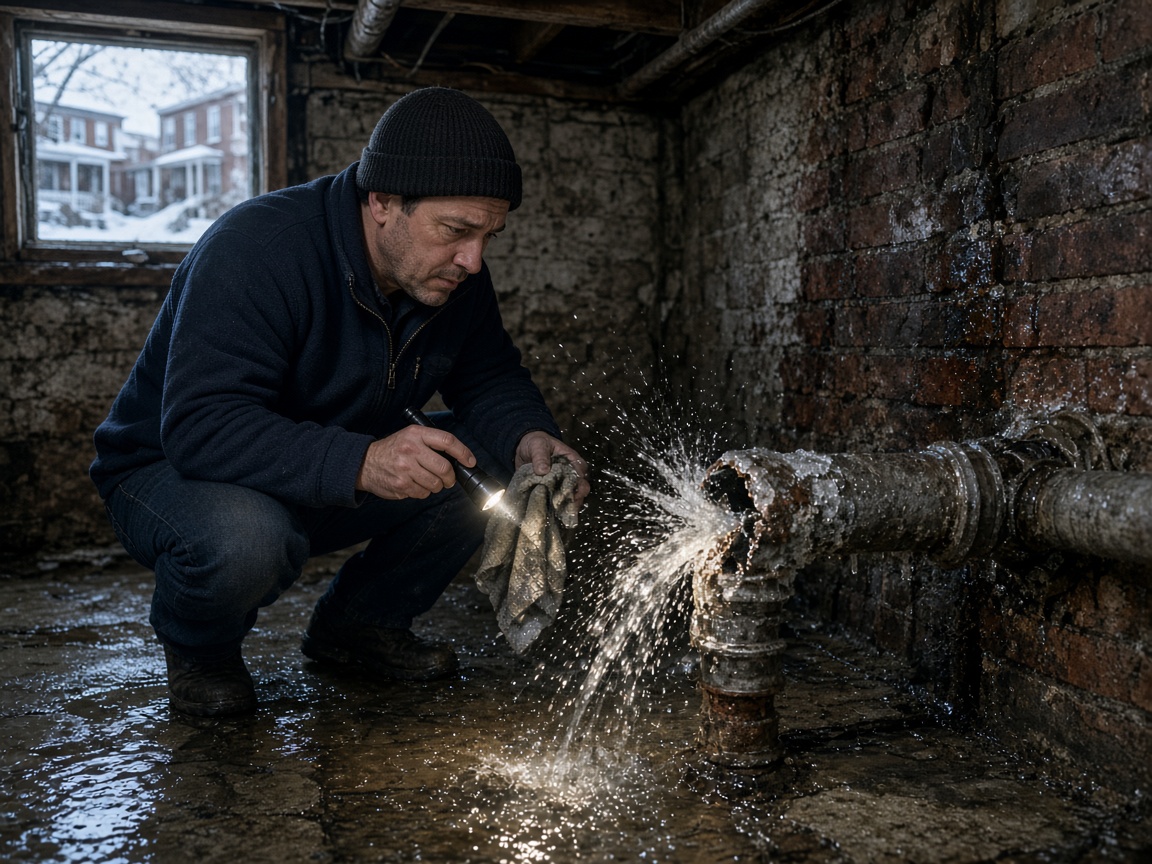
When pipes burst from freezing in Newark's cold winters, shut off the main water valve right away, drain remaining lines, and start drying the space to limit structural harm in Essex County homes.
Shut Off Water and Drain Lines First
In Newark's older homes built before 1950, galvanized pipes in basements and crawl spaces often freeze when overnight lows hit the teens. Locate the main shutoff near the water meter, typically in the North Ward or Central Ward row houses, then open all faucets on upper floors to release pressure. This step stops additional flow that could saturate floors in University Heights properties. After shutting off, flush toilets and run the water heater drain to empty the system completely. Homeowners in the South Ward with slab foundations may need to isolate branch lines at the manifold instead. These actions reduce standing water volume by 80 percent or more before extraction begins.
Protect Belongings and Document Conditions
Move furniture, rugs, and electronics away from wet zones in Downtown Newark apartments or Weequahic single-family homes to prevent secondary damage. Photograph every affected area with timestamps, including walls, ceilings, and flooring in Vailsburg properties where plaster often conceals leaks. Note the date, time, and outdoor temperature when the freeze occurred. Store these records with any receipts for temporary supplies. This documentation supports claims when water reaches shared walls in Ironbound multi-family buildings near Newark Penn Station.
Dry the Space Before Mold Develops
Newark's humid subtropical winters trap moisture indoors once heating resumes, raising mold risk within 48 hours in enclosed spaces. Use fans and dehumidifiers set to 50 percent or lower across the affected rooms in homes near Branch Brook Park. Remove baseboards and drill small holes in wet drywall at floor level to promote airflow without full demolition. Monitor humidity daily with a meter, especially in South Ward basements where soil moisture adds to the load. Continue until readings stay below 60 percent for three consecutive days.
Call for Water Damage Repair When Needed
Persistent leaks behind walls or in ceilings after initial drying require professional water damage repair to avoid hidden rot in Newark's century-old framing. Technicians extract trapped water from subfloors and apply antimicrobial treatments suited to local conditions near the Prudential Center. For larger events involving multiple rooms, water damage restoration teams use industrial equipment sized for Essex County row houses. See the guide on older homes roof leaks for related issues that often appear together in winter.
Prevent Future Freezes in Local Housing Stock
Insulate exposed pipes in unheated Newark attics and crawl spaces with foam sleeves rated for temperatures down to 20 degrees. Keep cabinet doors open under sinks during cold snaps and maintain a slow drip from faucets on the north side of homes in East Orange border areas. Check weather stripping around exterior doors and windows in University Heights to retain indoor heat. These measures address the freeze-thaw cycles common between December and February that stress joints in pre-war plumbing throughout the county.