2026-11-11 · Luis Hernandez
Basement Flooding After Summer Storms In Newark NJ
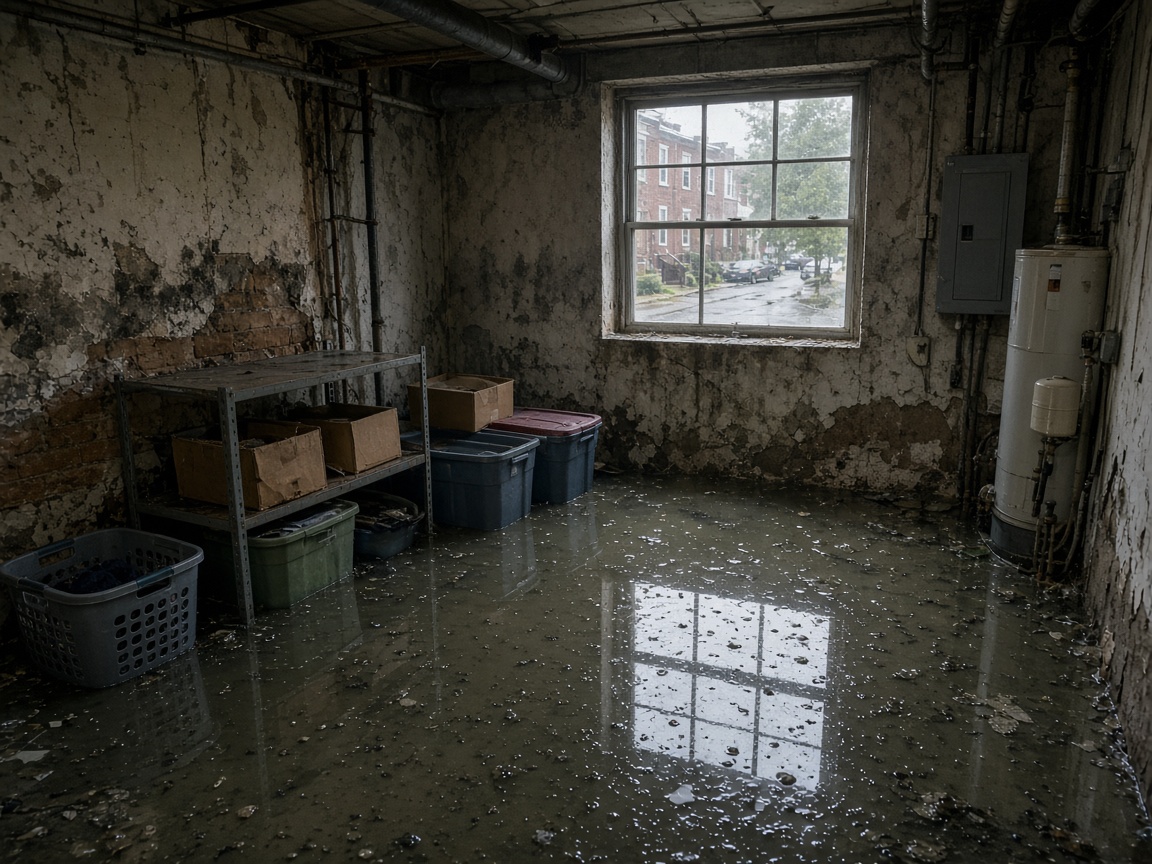
Basement flooding after summer storms in Newark NJ usually demands water extraction starting within the first 24 hours, followed by drying that takes 3 to 7 days before full Water Damage Restoration can begin. Heavy downpours during the hot season saturate the clay-heavy soils common across Essex County, pushing water through foundation cracks in homes built before 1950 that dominate blocks in the Ironbound and Vailsburg. Properties near Branch Brook Park or along routes leading to Newark Liberty International Airport see added runoff from paved surfaces that channel rain directly toward lower levels.
Why Summer Storms Overwhelm Newark Basements
Newark experiences frequent thunderstorms from June through August that drop several inches of rain in a single afternoon, overwhelming aging storm drains in the Central Ward and South Ward. The humid subtropical climate keeps ground moisture high even between events, so water has nowhere to go once it reaches the foundation. Homes in University Heights and Weequahic often sit on slight slopes where water pools against basement walls rather than draining away. Older row houses lack modern French drains or sump systems, turning what might be minor seepage elsewhere into several inches of standing water inside. Residents in nearby Jersey City and Elizabeth report similar patterns because the same weather systems and soil conditions extend across the region.
How Newark's Older Housing Stock Increases Risk
Many Newark homes from the early 1900s through the 1940s feature fieldstone or brick foundations that shift over decades, creating entry points for storm water. These structures in the North Ward and Downtown Newark frequently lack proper grading around the exterior, so rain flows toward the house instead of away from it. Basements converted into living space in areas like the Ironbound add finished walls that trap moisture and hide damage until odors appear. The combination of dense urban lots and limited green space means less natural absorption during the heavy summer rains typical of Essex County. Homeowners who have already dealt with roof leaks can see how the same age-related vulnerabilities appear below grade.
Steps to Take Right After Flooding Occurs
Shut off electricity to the affected area first, then remove standing water using a wet vac or pump before it soaks into subfloors. Open windows and run fans to start air movement while documenting everything with photos for insurance. Contact professionals for Water Damage Repair once visible water is gone, because hidden moisture behind walls in older Newark construction often requires moisture meters and targeted drying equipment. Avoid attempting full cleanup with household fans alone, as residual humidity in the humid climate encourages mold within 48 hours. Properties near the Prudential Center or Newark Penn Station sometimes face added complications from shared walls that allow water to migrate between units.
Long-Term Prevention Measures for Local Homes
Regrade soil around the foundation so it slopes away from the house by at least six inches over the first ten feet. Install or upgrade sump pumps with battery backup, especially useful in the South Ward and Weequahic where water tables sit higher. Seal foundation cracks with hydraulic cement and consider exterior waterproofing membranes on homes where repeated flooding has already occurred. Check and clear gutters and downspouts before storm season to keep water directed into the street rather than against basement walls. For homes that have seen prior issues, reviewing the guide on roof leaks in Newark's older homes provides additional context on how above-grade problems connect to below-grade flooding.
When to Call for Professional Water Damage Restoration
If water reaches electrical outlets, furnace equipment, or extends beyond one room, bring in technicians experienced with Newark's older building materials. They can perform moisture mapping and use industrial dehumidifiers sized for the square footage involved rather than relying on consumer units. In neighborhoods like University Heights near the university campus, quick response also limits disruption to rental properties where tenants may need temporary relocation. The same teams that handle Water Damage Restoration in nearby East Orange apply the same techniques to Newark's distinct mix of brick and wood-frame construction. Acting before the next storm arrives prevents the cycle from repeating each summer.